Monday, October 19, 2026

- Your Library
- Connect
- Events & Programs
- Read, Learn & Explore
When we look back at the lived experiences of others, it can help us understand the world around us — even if those experiences were from 100 years ago.
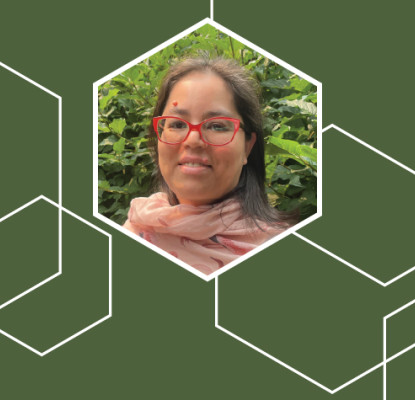
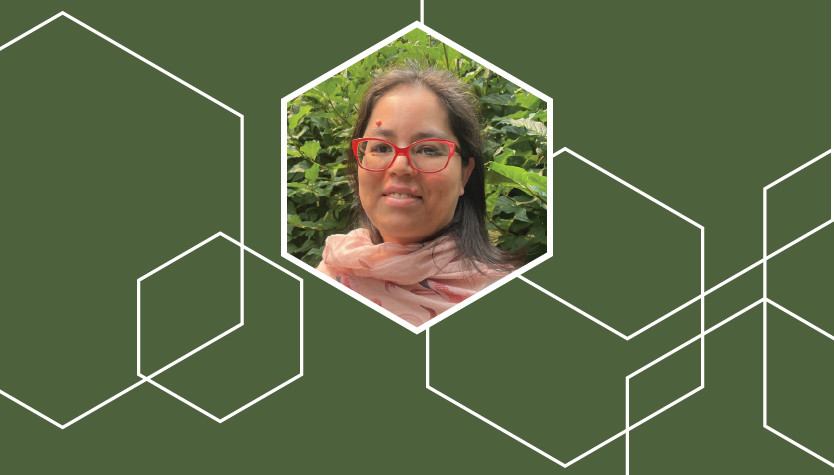
Peyton Neustaedter’s studies explore underrepresented stories, specifically Black history in the Canadian Prairies. As the Library’s 2026 Historian in Residence, Peyton looks forward to sharing, recognizing, and honouring the stories of the Black community of Alberta.
Peyton always enjoyed social studies and history growing up. What started as a passion, has now grown into a career as a researcher.
While all areas of history were fascinating to Peyton, a US Black History course that she took during her undergrad made a significant impact.
“I've always been big into US history and then with learning more about Black history, it changed the worldview that I had about North America.”
From there, Peyton began connecting stories from the US to Canada. Looking through newspapers and archives, she began to see what the day-to-day experiences of Black migrants were like.
Much of Peyton’s research has been focused on Reverend George Washington Slater, Jr. — an African Methodist Episcopal preacher, socialist, and Pan-Africanist who migrated from the States to Edmonton in 1921 to help build a church.
“There's a newspaper column that he wrote for four years in the Edmonton Journal that nobody had really studied. When I found the columns, it felt like a goldmine.”
The columns revealed that churches were spaces for both faith and activism. Reverend Slater focused on encouraging the Black community in Alberta to participate in activism for racial progress and equality.
Peyton has also discovered that smaller towns made an effort to gather as a larger community.
Even though towns were spread out and not necessarily easy to travel to, there was an annual picnic in Amber Valley that first began in 1915. Black migrants from across Alberta would gather for a wide range of activities. This included baseball and one other game that was less conventional.
“They would grease a pole and put it in the ground. They would put a prize at the top and try to climb the greased pole. Apparently almost nobody ever made it to the top.”
While trying to establish their lives in Alberta, Black migrants faced many hardships. Along with tough living conditions and hard labour, they faced racial discrimination.
An example that Peyton found was in the Victoria Park neighbourhood in Calgary in the early 1920s. About 75% of the neighbourhood signed a petition that said they didn’t want Black people living there.
“That kind of intense racism was very similar to experiences people had during Jim Crow in the States. People like to think that in Canada that there wasn't that level of racism, but we werevery influenced by our southern neighbours.”
Peyton looks forward to sharing more of her findings with visitors at the Library. It’s an opportunity to share stories and moments that are important to Alberta’s history.
“As an academic researcher, you have to be able to find ways to connect with the public if you want to share your history with a broader audience. I think that the Library is the best place to do that.”
The research feels very important to Peyton, and she hopes it can leave the same kind of impact on others.
"I want people to know that history outside of yourself can sometimes be the most interesting and impactful.”
Her programs include a storytime about John Ware and an interactive lecture that follows the journey of African American migrants from the Southern US to Alberta in search of freedom and opportunity.
She will also have a display outside her office at Central Library updated weekly that features stories of significant events, local communities, and everyday life over the last 100 years from the pages of the Calgary Herald.
There are seven residencies at Calgary Public Library throughout the year. The Historian in Residence supports researchers in any genre related to the social, cultural, and built history of Calgary, Treaty 7 and Métis Nation Battle River Territory, Nose Hill Métis District 5, and Elbow Métis District 6.
Monday, October 19, 2026

Monday, October 5, 2026
Monday, October 5, 2026